 Szeto Handyman
Stucco in valley homes
- English
- Mandarin
- Cantonese Chinese
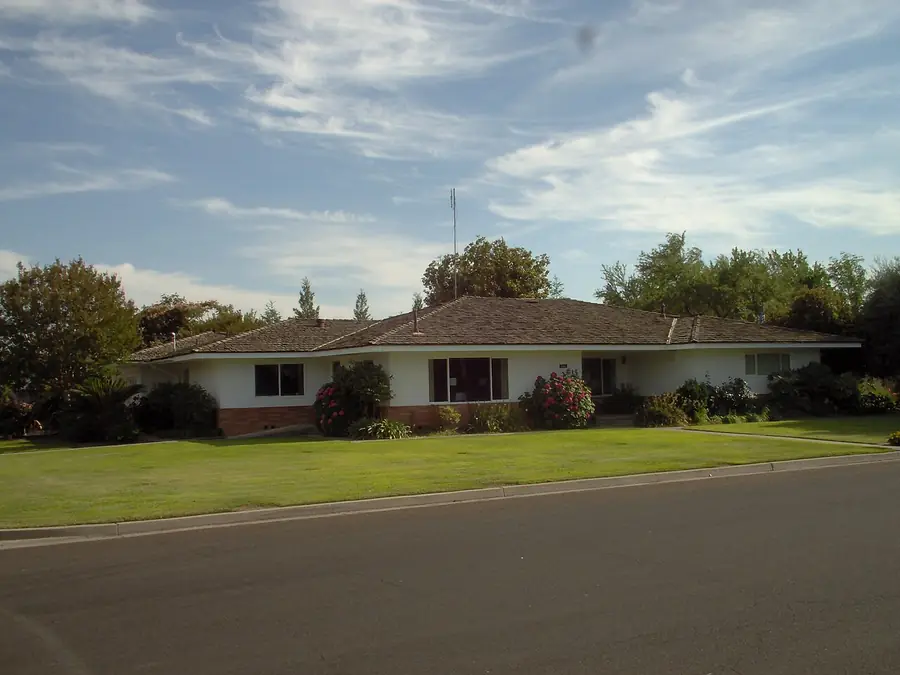
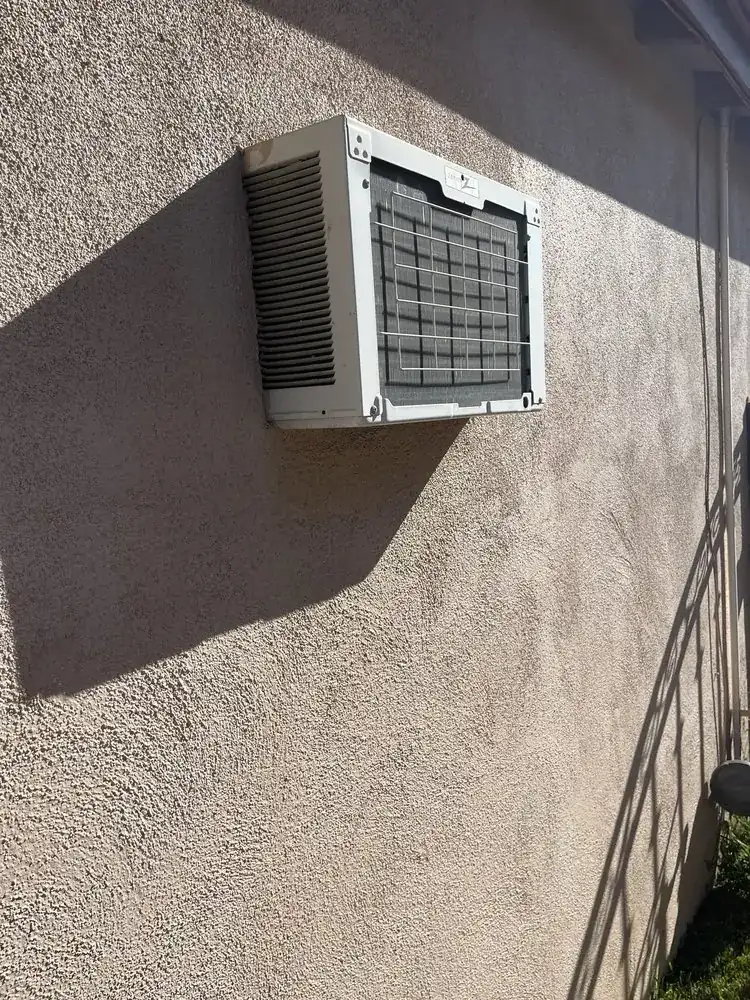
Most houses in the San Gabriel Valley are wrapped in cement stucco. It is tough, but it cracks as houses settle, as the ground moves in small quakes, and around windows and doors where stress collects. Old satellite dish mounts, removed lights and pipes leave holes. Each hole and crack is a path for water into the wall.
Which cracks matter
Hairline cracks thinner than a credit card are usually cosmetic and come from the stucco curing and shrinking. Wider cracks, cracks that keep growing, stair-step cracks, and cracks with one side higher than the other may point to movement in the foundation or framing. We patch cosmetic cracks. For cracks that look structural, hold off on patching so the crack stays visible while it is checked.
Patching small holes and cracks
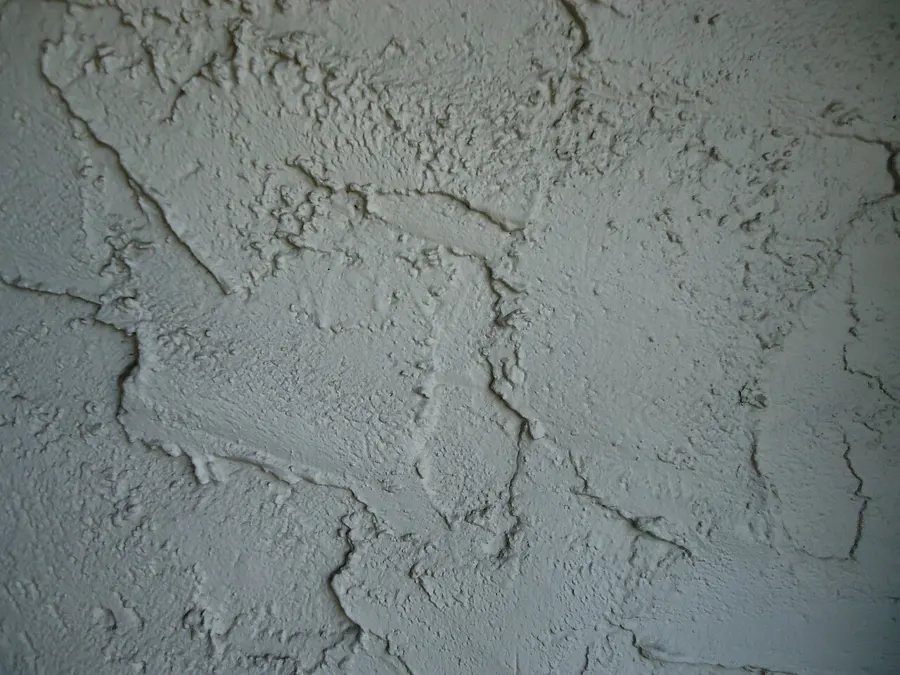
Small cracks get cleaned out, opened slightly so patch material has something to grip, and filled with an elastomeric patch or a stucco patching compound. Holes from fasteners get filled flush. We then texture the patch to match the wall. Smooth patches on a textured wall stand out more than the original crack did.
Larger patches
Areas larger than a hand, such as a broken corner or where a vent was removed, get repaired in layers like the original wall: wire lath where needed, a scratch coat, a brown coat, and a finish coat. Each layer needs time to cure, so a larger patch may take more than one visit; we’ll tell you after seeing photos.
Matching texture and color
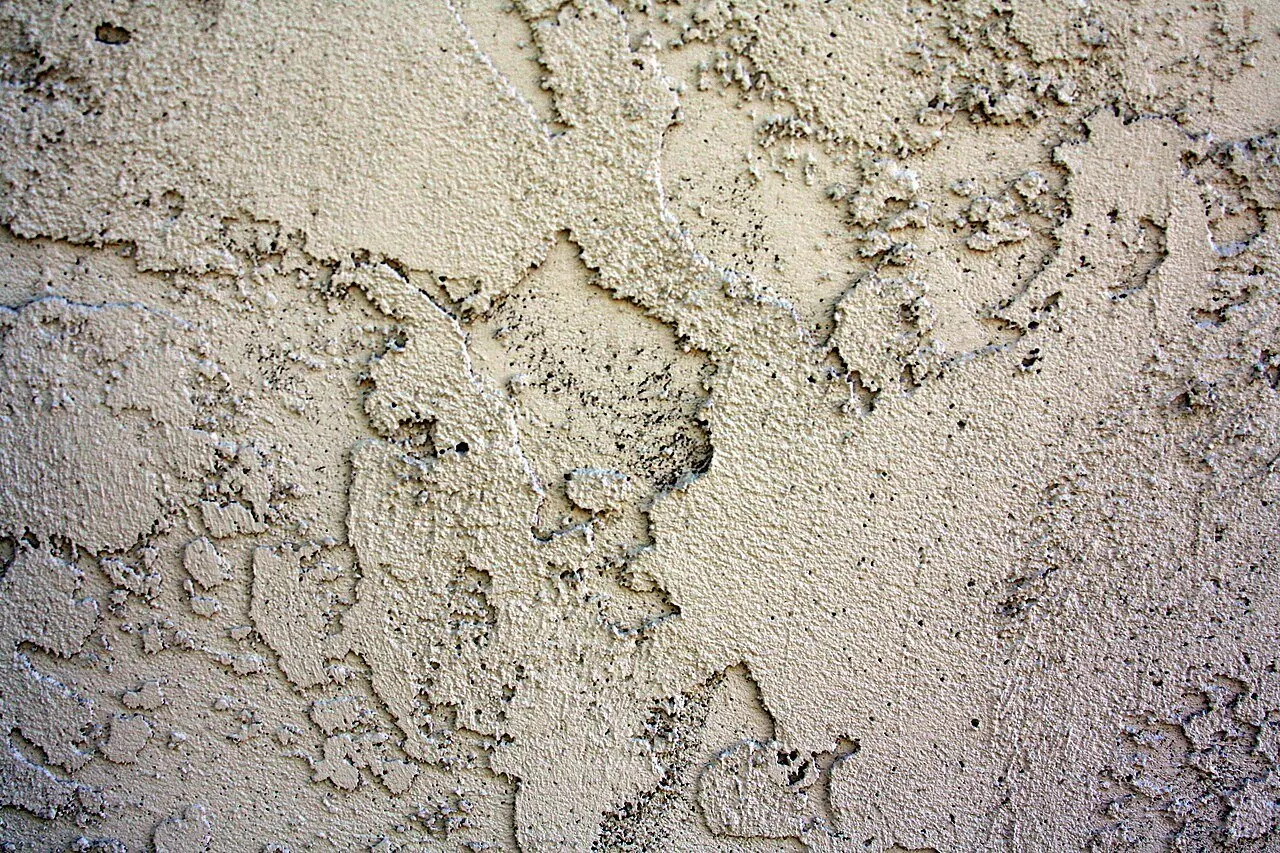
Common textures here include sand finish, light lace, and Santa Barbara smooth. We practice the texture on a board first. Color-coat stucco has the color mixed in and is hard to match exactly; painted stucco is easier, because the patch gets primed and the whole wall section can be painted corner to corner so the patch disappears.
Keeping water out
Patches around windows, doors and pipes should be sealed with a flexible sealant at the joint, not hard stucco. That joint moves. We also check that sprinklers are not soaking the wall, which shortens the life of any stucco repair. Rot around windows behind stucco is covered on our wood rot page.
After window or door work
Replacing a window or a door can leave a ring of damaged stucco around the frame. We patch and texture it so the new window looks like it was always there.
- Wide shotThe whole fixture and the space around it.
- Close-upLabels, model numbers, the leak or break.
- ConnectionsValves, pipes, wires or brackets.
- Send itText the photos with your cross street.
Weep screeds
At the bottom of stucco walls, a metal strip called a weep screed lets moisture out. Soil, mulch or concrete piled against it traps water. Keep it clear, and we check it while working on nearby stucco.
Pipe and wire holes
Where pipes, cables and vents pass through stucco, the gaps should be sealed with a flexible sealant or a trim ring. Old ones crack and let in water, bugs and rodents. We seal them as part of a patch visit.
- PrepRemove loose or damaged material.
- RepairPatch, fill or reset the piece.
- Build upThin layers, each left to set.
- FinishSand, seal or paint to blend in.
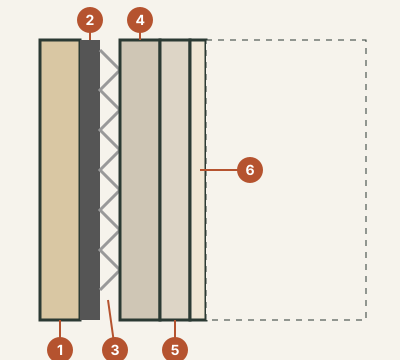
- Framing and sheathing
- Building paper
- Metal lath
- Scratch coat
- Brown coat
- Finish coat, textured to match
Timing with paint
Patches need to cure before paint. If the house is getting painted soon, it is best to patch first and paint after the cure time the patch product calls for.
Earthquake cracks
After a quake, check stucco around windows, doors and corners. New cracks are common and mostly cosmetic, but take photos and date them. If cracks keep growing over the following weeks, do not patch them yet; that points to movement. Cracks that stay the same can be patched.
Garden walls and planters
- Foothills to the 10
- Stucco work for owners and renters
Stucco-covered block walls and planters crack where soil pushes against them or roots grow nearby. Small cracks and chips can be patched. A wall that leans or holds back a slope needs more than a patch.
What to send
A wide photo of the wall and a close photo of each crack with a coin for scale help us quote and tell you whether it looks cosmetic.
Ladders and access
Most patches are reachable from a step ladder. For second-story walls we use an extension ladder on firm ground, and keep off roofs and ledges.
Our scope
Small patches, cracks and holes are what we do best. Full rewraps, new color coats on whole walls, and stucco on new additions are outside our scope. We will tell you which fits after seeing photos, and we do not oversell a patch where a wall needs more.
- Small fixes and repairs
- Swaps on existing mounts
- Patching and adjusting
- Hardware, trim and assembly
- Structural framing changes
- Roofing and foundations
- New openings in walls
- Whole-room rebuilds
Small patches before painting the house
Painters often ask owners to fix cracks and holes before they start. We can patch first, let it cure, and hand off a wall that is ready for paint. That saves the painter time and keeps their quote focused on painting.
Old mounting holes
When you remove an old light, a hose reel, a mailbox or a sign from a stucco wall, the holes left behind collect water. Filling them right away prevents bigger cracks.
Related guide: What changes the cost of drywall and surface repairs.
Questions we get
- A wide shot
- Close-ups of the stucco
- Closest intersection
Can you match my stucco texture?
We practice on a board and match as closely as possible.
Do you paint the patch?
Yes, and we recommend painting the wall section for an even look.
Are cracks a sign of foundation trouble?
Hairline cracks usually are not. Wide or growing cracks are a structural question, not a patch.
- A picture or two
- We quote the stucco
- Checked when done
Can you patch holes from a satellite dish?
Yes, filled, textured and painted.
Do you do whole walls?
No, small patches only.
- The stucco alone
- Tack on extras
Get a quote for stucco crack and patch repair
Text a photo and your cross street. Free estimates, and most texts are answered within the hour.
Good to fix along with the stucco
Often bundled with replacing rotted trim and sills, interior painting and touch-ups or window replacement in existing frames. Also worth a look: porch light and floodlight swaps and hose bib and outdoor faucet repair.
Repairs related to the stucco
We take this work all over the valley, in West Covina, Covina, Baldwin Park, Azusa, Temple City, Sierra Madre, Monrovia, Duarte, Irwindale and Glendora.