 Szeto Handyman
Houses rarely fail all at once. They fail in small steps: a flapper that starts leaking, caulk that cracks, a smoke alarm battery that runs down, a gate latch that loosens in the wind. Each one is cheap to fix early and more expensive later.
This checklist puts the small checks on a calendar so they happen without much thought. Print it, stick it inside a kitchen cabinet door, and tick items off as you go.
- Monthly: test smoke and CO alarms
- Spring: rescreen windows and check caulk
- Summer: look over weatherstripping and outdoor spigots
- Fall: clean gutters and check heater filters
- Winter: look for drafts and dripping valves
- Any time: walk the house and list small fixes
The list is written for the kind of homes common across the valley: single-story ranch houses and two-story homes on slabs, stucco walls, aluminum or vinyl windows, tank water heaters in the garage, and yards with sprinklers. If your house is different, skip what does not apply. Nothing here requires climbing on a roof; where a ladder is involved, the task is noted as single-story or ladder-only.
Every month
- Press TEST and RESET on every GFCI outlet (kitchen, baths, laundry, garage, outdoors).
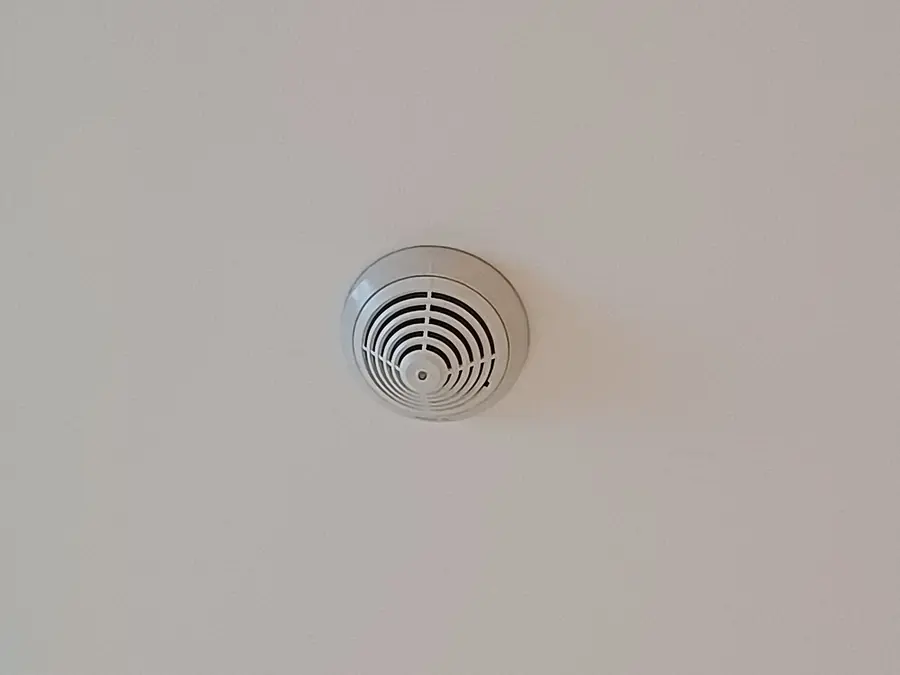
- Test smoke and carbon monoxide alarms with the test button.
- Look under kitchen and bathroom sinks for drips, damp cabinet floors or swelling.
- Listen for toilets that refill on their own between flushes.
- Clean the kitchen sink aerator and the range hood mesh filter if they look clogged.
- Run water in unused sinks, tubs and showers so drain traps stay filled.
Spring
- Check window and door screens for tears; repair before bug season.
- Clean and balance ceiling fans; switch them to summer direction.
- Walk the yard while sprinklers run; fix heads spraying walls, windows or fences.
- Check hose bibs and outdoor faucets for drips and a working vacuum breaker.
- Look over wood fences, gates and deck boards for loose or soft spots.
- Test outdoor and motion lights; replace bulbs and aim sensors.
- Wash window screens and clean sliding door and window tracks.
Summer
- Check west-facing caulk and weatherstripping for sun damage.
- Keep the area around the water heater and electrical panel clear.
- Look for ant trails at door sweeps and window corners.
- Check the bath fan clears steam within a few minutes after a shower.
- Inspect stucco for new cracks around windows and corners.
Fall
- Flush the water heater, or have it flushed, and check its seismic straps.
- Replace smoke and CO alarm batteries; note any unit past its replacement date.
- Recaulk windows and doors where caulk is cracked or pulling away.
- Replace worn door sweeps and weatherstripping before cool, windy weeks.
- Clear single-story gutters from a ladder and check that downspouts drain away from walls.
- Test the furnace before the first cold night; change the filter if it is easy to reach.
- Secure loose fence boards and gate latches before wind season.
Winter
- Watch ceilings and walls after the first big rains for new stains.
- Check that yard drains and driveway drains are clear.
- Look at window sills and door bottoms for water getting in.
- Make sure the CO alarm near bedrooms works while heaters run.
- Plan spring projects and send photos for quotes.
Know your house (do once)
- Find and label the main water shutoff; photograph it.
- Find the gas meter shutoff and keep the right wrench nearby.
- Label the electrical panel breakers by room.
- Note the water heater age and size from its label.
- Keep leftover paint labeled by room, and a few spare tiles and flooring planks.
- Write down the brands of your faucets, toilets and blinds for future parts.
Why monthly checks matter
The monthly list takes about ten minutes. GFCI outlets are the safety devices most people forget exist until one trips; pressing test and reset each month confirms they still protect you. Alarm tests catch dead batteries before the two-in-the-morning chirp.
A glance under each sink catches slow leaks while the cabinet floor can still be saved. And a toilet that refills by itself is a leak you can hear if you listen for it; see toilet keeps running.
Why the seasons are split this way
Valley weather sets the rhythm. Spring is screen, fan and sprinkler season, before the heat arrives. Summer sun dries caulk and seals on west walls.
Fall brings the first storms, cool nights and wind, so the big list sits there: water heater, alarms, caulk, weatherstripping, gutters within reach and the furnace. Winter is for watching how the house handles rain and planning the next round. The fall maintenance visit covers most of the fall list in one trip.
Know your house
The last section is a one-time list, and it is the most valuable. When water is spraying, nobody wants to search for the main shutoff with a flashlight. Find it now, label it, and photograph it.
Do the same for the gas shutoff and the breaker panel. Write down the water heater’s age and the brands of your faucets and toilets, so replacement parts are easy to find later. See urgent home repairs for what to do first when something goes wrong.
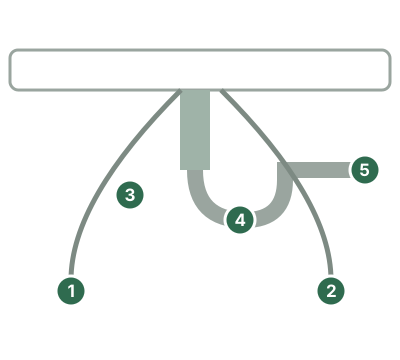
- Hot-water shutoff (angle stop)
- Cold-water shutoff (angle stop)
- Supply lines to the faucet
- P-trap, which holds a water seal
- Drain line into the wall
When to call
Most checklist items are quick to do yourself. When something on the list turns up a problem, such as a GFCI that will not reset, a drip under the sink or cracked caulk around every window, text a photo and the address. Small jobs are welcome, and a short list fits one visit.
Free estimates. Related help: GFCI will not reset, window caulking, water heater flushing, smoke and CO alarms.
For landlords
The same list works between tenants and as a yearly check. Many owners send it to tenants with a note to report anything they find. If you would rather have it done, see repairs for landlords and property managers; we send photos of every item checked.
Printing tips
The PDF prints on one or two letter-size pages. Print a fresh copy each year and keep the old ones; a dated record of when alarms were changed and the water heater was flushed is handy when you sell, when you file an insurance claim, or when you just cannot remember the last time you did something.