 Szeto Handyman
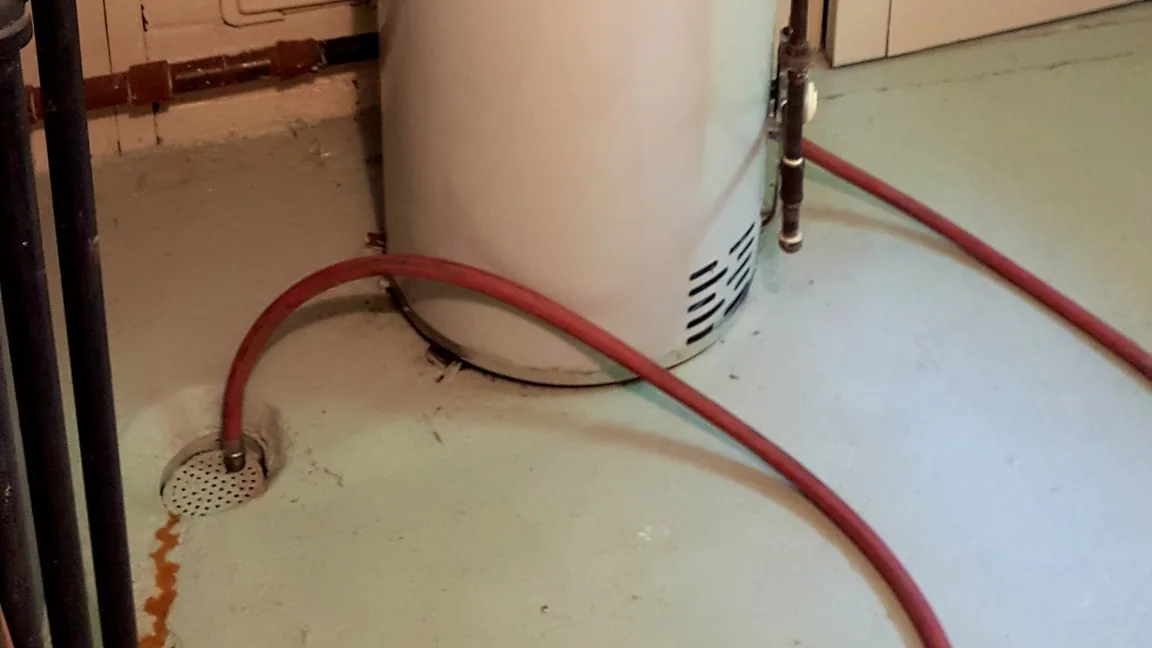
Why sediment builds up
- Text a photo
- A water heater tank price first
- We test our work
Water in much of the San Gabriel Valley carries dissolved calcium and magnesium. When a tank heats that water, some of the minerals drop out and settle on the bottom as a gritty layer.
Over a few years the layer can get thick enough that the burner on a gas heater is heating rock before it heats water, and the lower element on an electric heater can get buried. Tankless heaters have the opposite problem: scale coats the inside of the narrow heat exchanger and chokes flow.
- The water heater tank alone
- Tack on extras
The signs are familiar. A tank heater rumbles, pops or crackles while it runs. Hot water runs out sooner than it used to, because sediment takes up space.
Water from the drain valve comes out cloudy or sandy. On tankless units, the display may show a scale or flow error code, the water temperature may swing, or hot water takes longer to arrive.
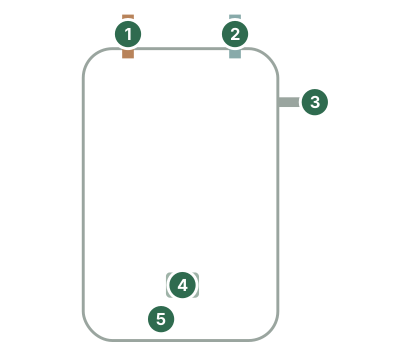
- Cold-water shutoff and inlet
- Hot-water outlet
- Temperature and pressure relief valve
- Gas valve or thermostat
- Drain valve, used for flushing
How a tank flush works
- We turn the gas control to pilot or vacation, or switch off the breaker on an electric unit.
- We shut the cold supply, open a hot faucet to break the vacuum, and attach a hose to the drain valve, running outside or to a drain.
- We drain the tank, then open and close the cold supply in bursts to stir up sediment and push it out.
- We run until the water comes out clear, then close the drain, refill the tank completely, bleed air from the faucets and relight or power the heater.
- We check the drain valve for drips once the tank is under pressure.
Older plastic drain valves sometimes clog with sediment or will not reseal. If that happens, we replace the valve with a brass full-port valve, which drains faster and holds up better on future flushes.
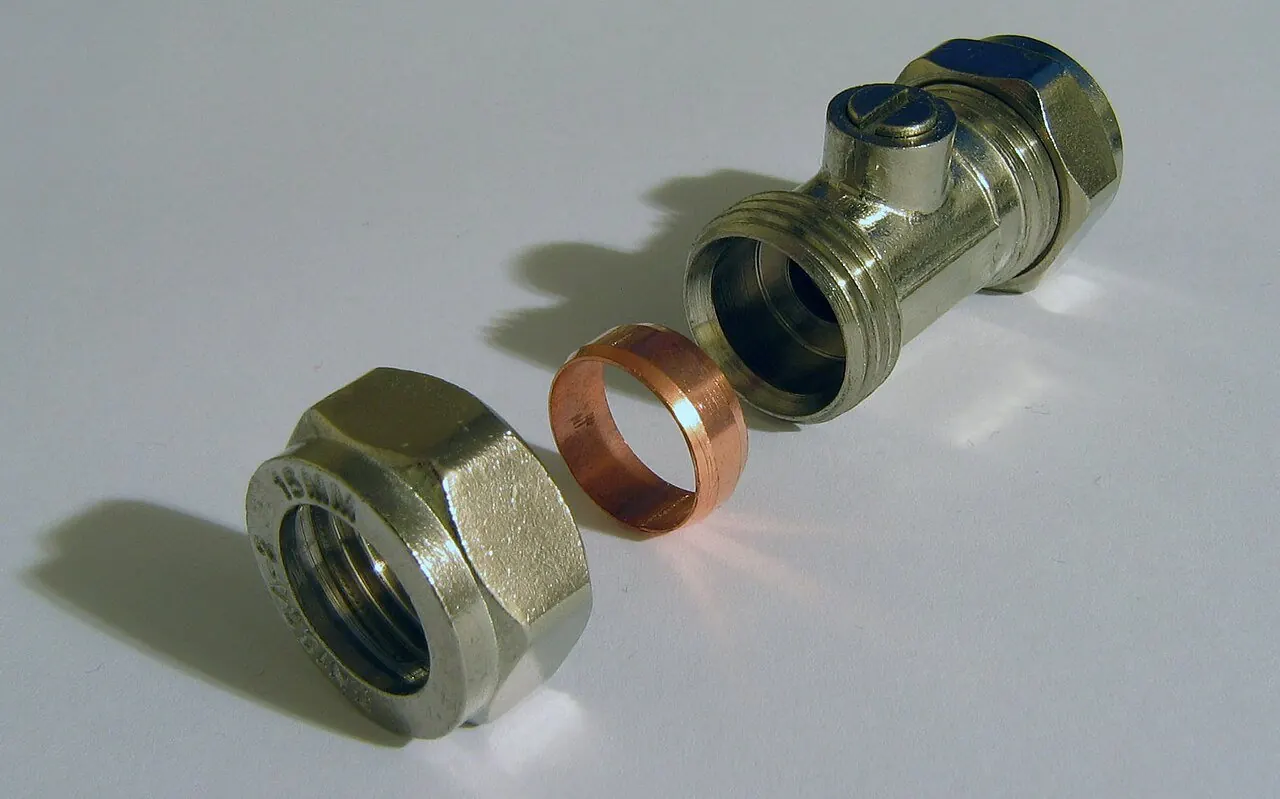
Descaling a tankless heater
Most tankless units have isolation valves with service ports. We close the valves, connect a small pump and hoses to the service ports, and circulate a descaling solution recommended by the manufacturer through the heat exchanger for the time listed in the manual.
Then we flush with clean water, clean the inlet water filter screen, reopen the valves and check the unit's error history. Your manual will list how often the maker recommends descaling, which depends on water hardness.
- Shut it offTurn the valve under the fixture clockwise, or the main valve.
- Relieve pressureOpen a faucet nearby so the line drains.
- Contain itTowels and a bucket; unplug anything wet.
- Photo and textSnap the leak and valve, then text us.
When a flush will not help
A flush cannot fix a tank that is already leaking from the body, rust coming from a failed tank lining, or a burner problem. On very old tanks with heavy buildup, a flush can sometimes loosen debris that then clogs the drain valve or exposes a weak spot. We look at the age on the label and the condition of the tank before starting, and if a tank is near the end, we tell you so you can decide whether to put money into maintenance or into a replacement.
Pair it with a quick check-up
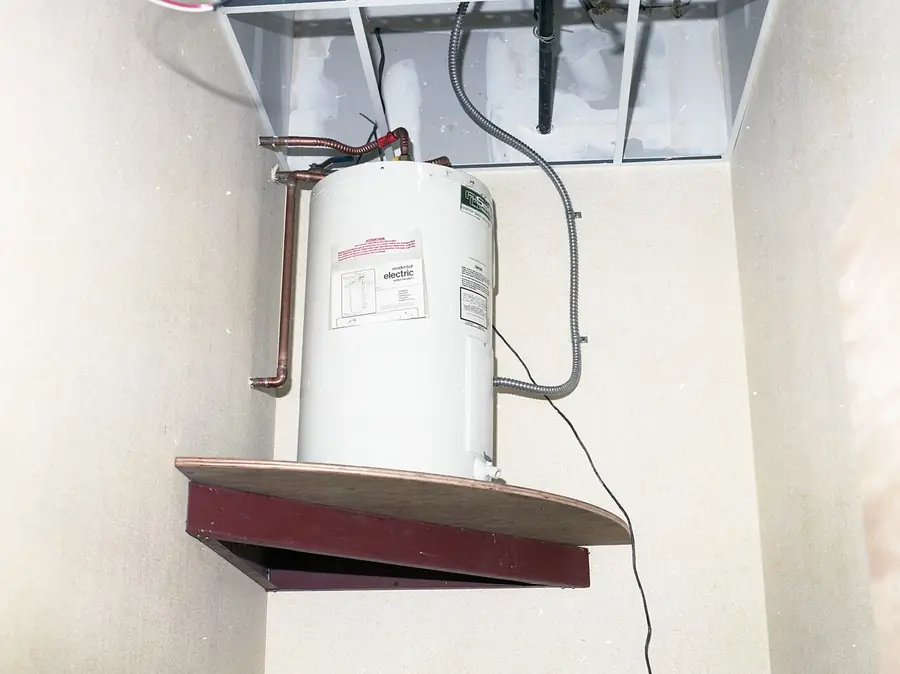
While we are at the heater, we look at the seismic straps, the vent connection, the relief valve discharge pipe and the flexible connectors. California Health and Safety Code section 19211 requires residential water heaters to be "braced, anchored, or strapped," and a flush visit is a good time to confirm yours is. If the relief valve has been dripping, we check house water pressure, since high pressure or a missing expansion tank is a common cause.
- Faucets, toilets and valves
- Traps and drain connections
- Water heaters on existing lines
- Disposals and supply lines
- Moving or adding pipe runs
- Sewer and main drain work
- Repiping and new gas lines
- Slab leaks
What to send
Text a photo of the full heater, the label with the model and date, and the drain valve area to (310) 628-9399. Tell us where the hose can drain. We reply with questions or a quote.
- Wide shotThe whole fixture and the space around it.
- Close-upLabels, model numbers, the leak or break.
- ConnectionsValves, pipes, wires or brackets.
- Send itText the photos with your cross street.
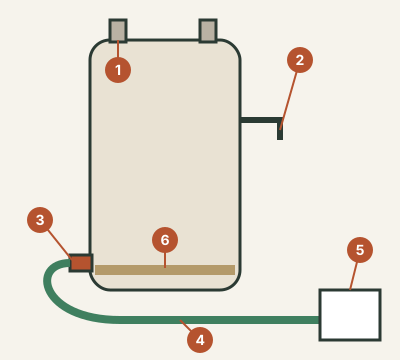
- Cold-water inlet
- Relief valve and its discharge pipe
- Drain valve near the base
- Garden hose
- Bucket or floor drain
- Sediment layer at the bottom of the tank
If the drain valve drips afterward
Many tanks ship with a plastic drain valve, and it can drip after being opened, especially when a grain of sediment settles in the seat. Opening and closing it fully a couple of times with the water on often clears the grit.
If it keeps dripping, the valve needs replacing; a garden hose cap threaded onto the outlet stops the drip until then. A brass replacement valve is sturdier and easier to open for the next flush.
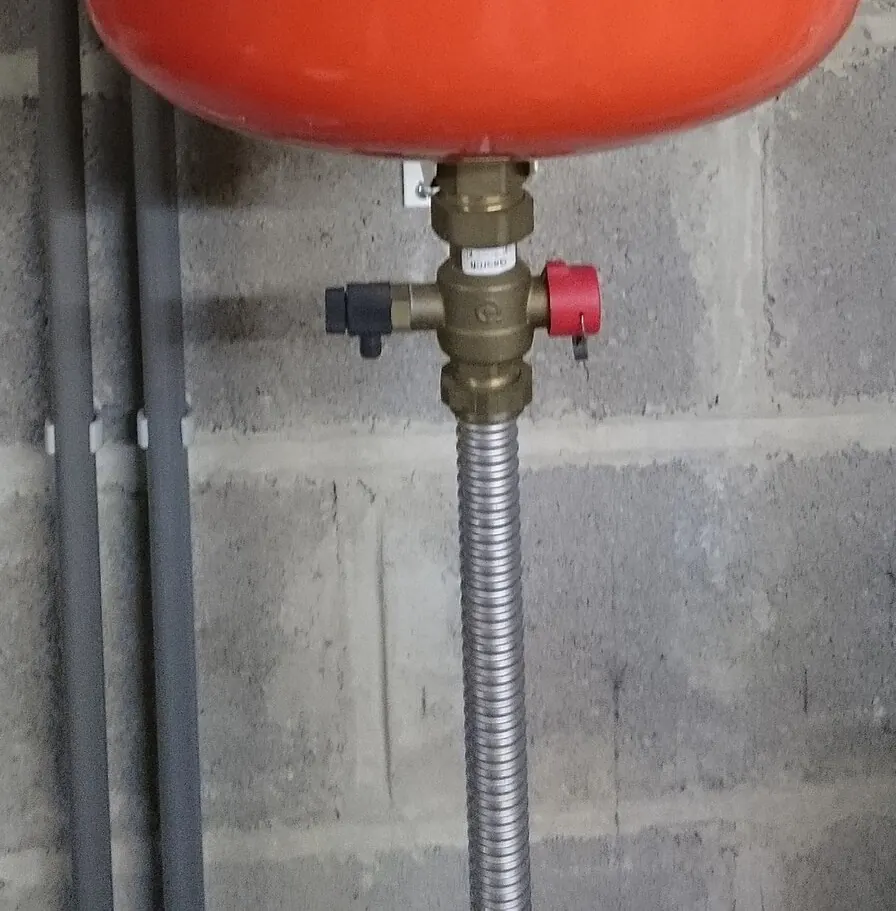
Signs your tank is overdue
Popping during heating, a drain that runs cloudy for a long time, hot water that turns lukewarm sooner, and higher gas use for the same hot water. A flush may help on a younger tank. On a tank near the end of its life, it can be a sign that replacement is coming.
Anode rods
The anode rod is a sacrificial metal rod that protects the tank. When it is used up, the tank corrodes. Many anode rods can be reached from the top of the tank.
If yours can be removed, a flush visit is a good time to check it. A rotten-egg smell from hot water sometimes comes from a reaction between the anode and water; a different anode type can help.
More questions
- A text before the water heater tank visit
- Drop cloths, then cleanup
Will flushing void my water heater coverage? Most makers recommend periodic flushing in their manuals. Check your manual.
Can sediment clog my faucets? Yes; loosened sediment can reach aerators. Clean them after a flush.
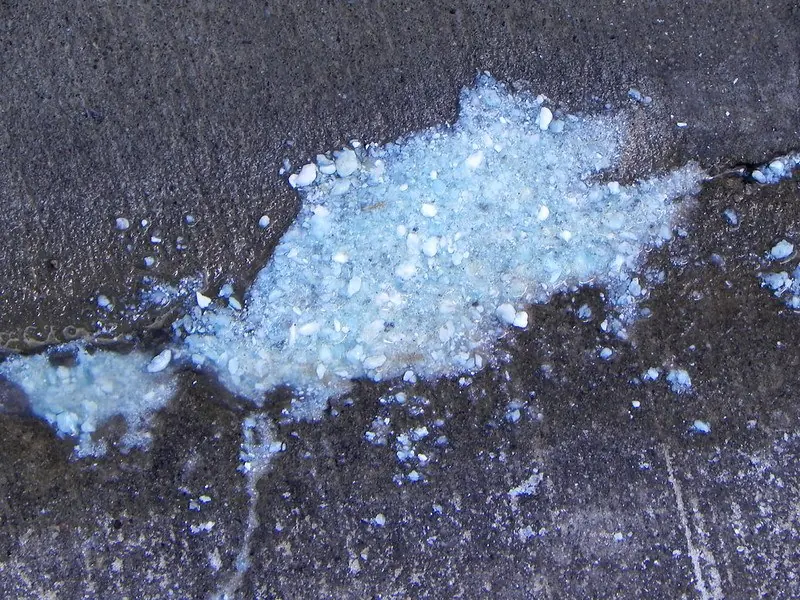
Electric tank notes
Electric heaters have elements that scale up in hard water. A flush helps, and a burned-out element can be replaced on the same visit if it tests open.
Related guide: How to decide whether to repair or replace a water heater.
Questions we get
How often should a tank be flushed?
Many manufacturers suggest once a year. Hard water areas benefit from regular flushes. Your owner manual lists the maker's guidance.
- Mon–Sat 8:30 AM–7 PM
- Closed Sunday
- Texts usually answered within the hour
Will flushing stop the rumbling?
Often, yes, if the noise comes from sediment. Some noise can remain on older tanks with hardened buildup.
Can I flush it myself?
Many owners do. Turn off the gas or power first, and make sure the drain valve reseals before leaving it.
Do you flush tankless heaters?
Yes, on units with service valves. Units without them may need valves added first.
- A tenant can open
- Leave keys for the water heater tank
Is there anything to do after a flush?
Watch the drain valve for drips over the next day and let us know if the heater acts differently.
Do you flush water heaters in tenant units?
Yes. A tenant can let us in.
Why does my water heater drain so slowly?
Sediment packs around the drain valve and partly blocks it. Opening the cold supply briefly to stir the bottom, or using a wider-bore drain valve, helps it run.
- No charge to quote
- Extra water heater tank work? We ask
Why is the drain pan under my water heater full of water?
The relief valve may be discharging, a fitting may be weeping, or the tank itself may be leaking. Finding which one comes before any flush.
Why won’t my water heater drain at all?
Sediment can plug the drain valve completely. Closing the cold supply, opening a hot tap to break the vacuum and clearing the valve opening usually gets it flowing.
Does flushing help an older tank?
It can quiet popping and recover some heating speed. On a tank that has never been flushed, a heavy sediment layer may not clear fully.
- We pick up water heater tank parts
- Your pick of model
Get a quote for water heater flushing
Text a photo and your cross street. Free estimates, and most texts are answered within the hour.
Good to fix along with the water heater tank
Common add-ons: tank water heater swaps, water softener installation, shutoff valve replacement. Symptom pointing elsewhere? Try hose bib and outdoor faucet repair or smoke and CO alarm installation.
Repairs related to the water heater tank
Booked across the 626, in West Covina, Covina, Baldwin Park, Azusa, Temple City, Sierra Madre, Monrovia, Duarte, Irwindale and Glendora.
Flushing steps vary a little by maker; see A.O. Smith, Rheem and Bradford White service pages.