 Szeto Handyman
Faucets
- From Alhambra to Azusa
- Rentals get faucet or toilet help too
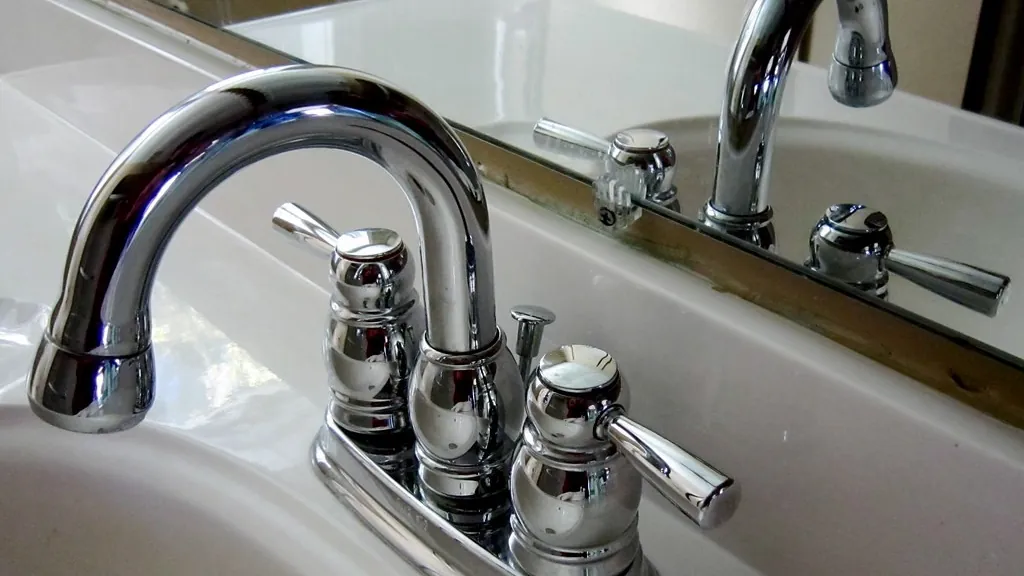
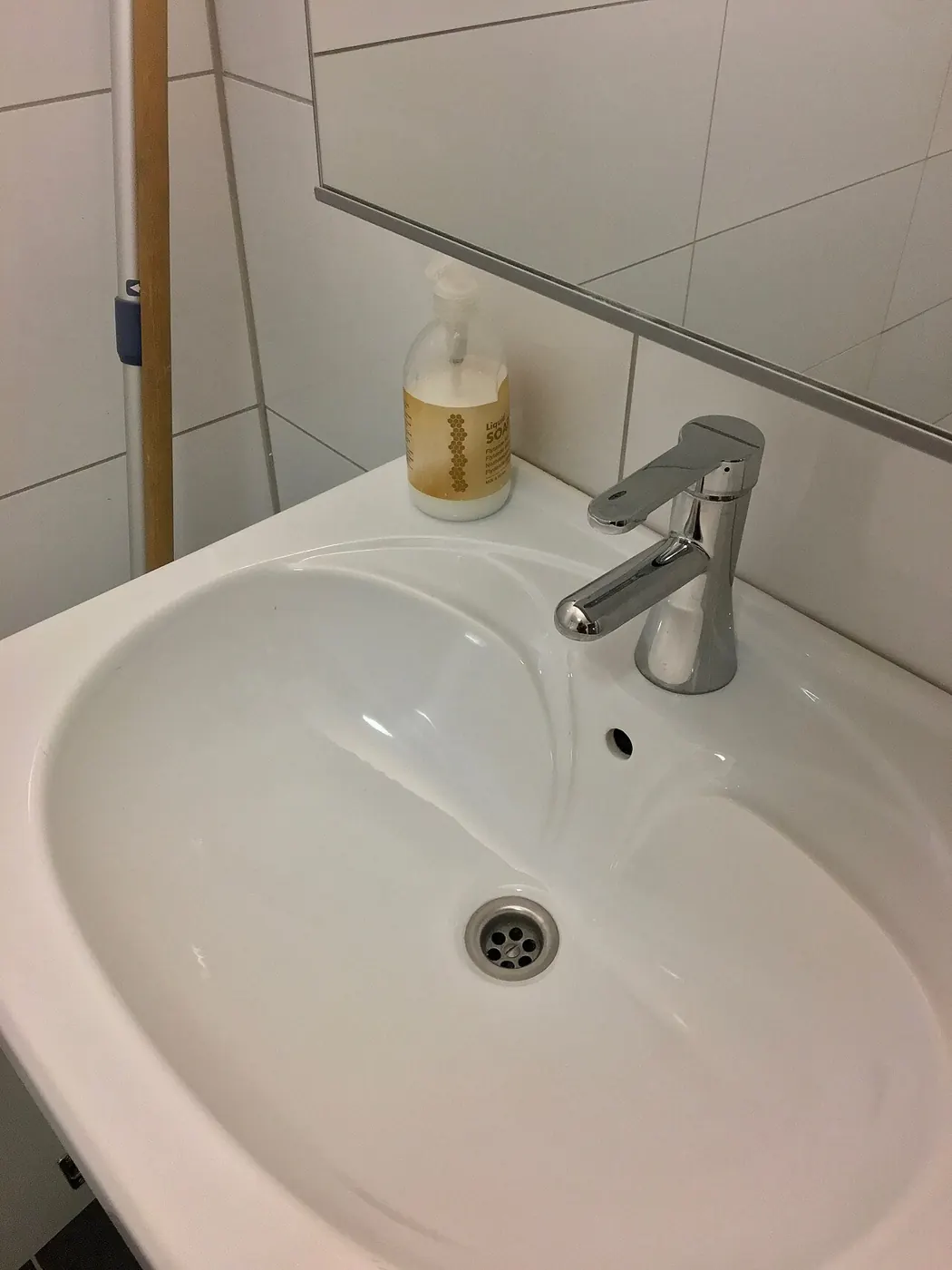
Drips come from worn cartridges, washers or seats. We repair them when parts exist, or replace the faucet. New faucets need to fit the sink holes; send a photo of the deck.
Running toilets
A running toilet usually means a bad flapper or fill valve. Both are quick replacements. A toilet that runs briefly by itself is leaking into the bowl.
- Wide shotThe whole fixture and the space around it.
- Close-upLabels, model numbers, the leak or break.
- ConnectionsValves, pipes, wires or brackets.
- Send itText the photos with your cross street.
Rocking or leaking at the base
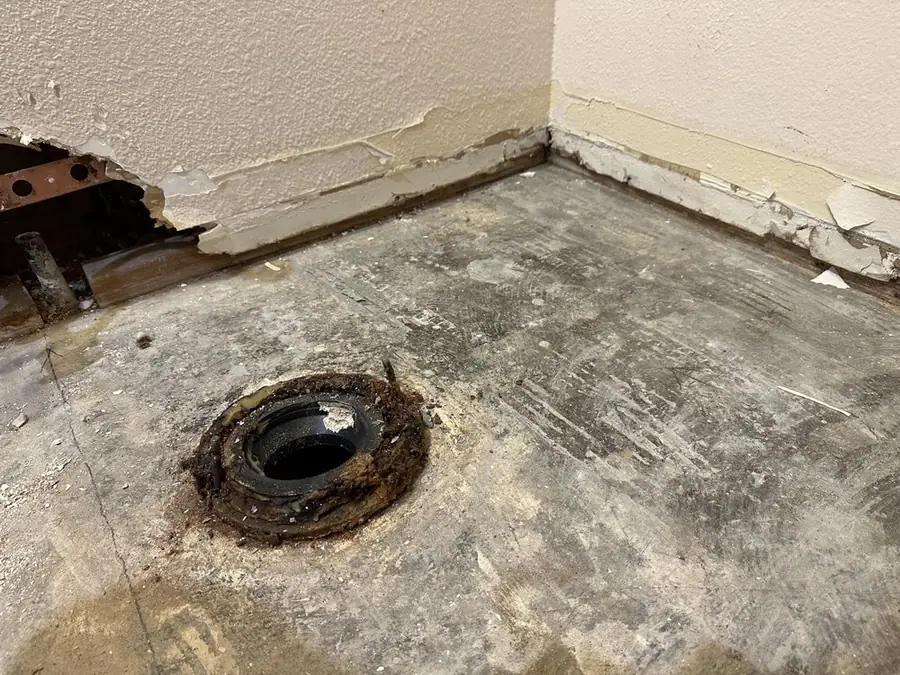
A toilet that rocks or leaks at the floor needs to be pulled, the wax ring replaced and the flange checked. Broken flanges can often be repaired with a ring.
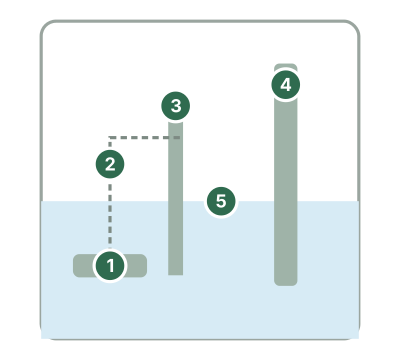
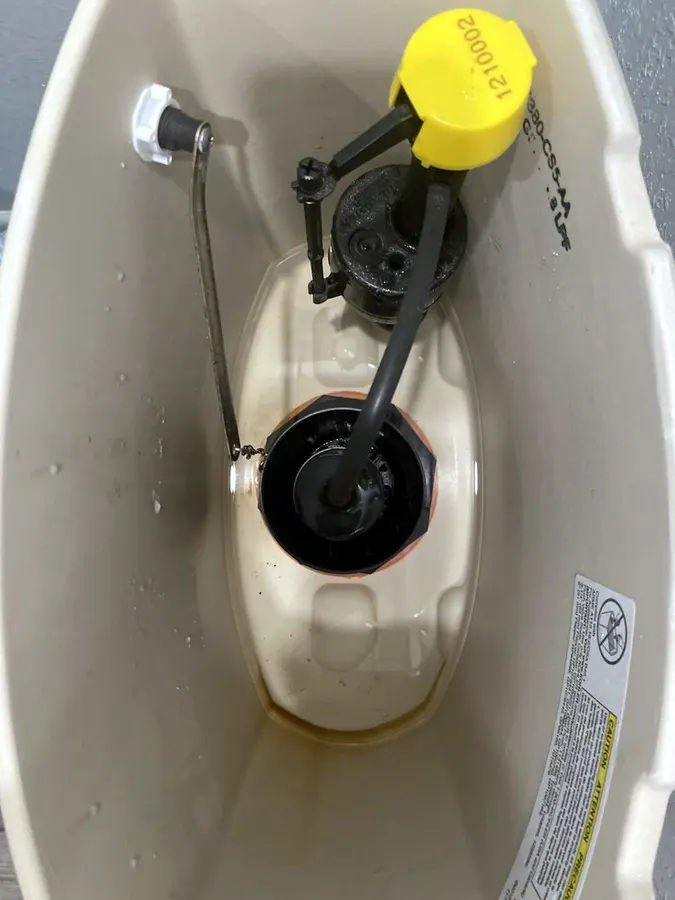
- Flapper, which seals the drain
- Lift chain to the handle
- Overflow tube
- Fill valve, which refills the tank
- Water line mark
Toilet replacement
We replace toilets with new ones on the existing flange and supply. Check the rough-in measurement before buying.
Choosing a new faucet
Before buying a faucet, count the holes in the sink or counter and measure the spread between them. Single-hole faucets can often cover extra holes with a deck plate. Kitchen faucets with pull-down sprayers need room under the sink for the hose weight. Bathroom faucets should match the drain type if you want the pop-up stopper to work.
- The full spot
- The faucet or toilet, close and clear
- Your cross street
We install faucets you bought or can suggest options that fit the sink.
Choosing a new toilet
Most homes have a 12-inch rough-in, but older houses sometimes have 10 or 14 inches. Comfort-height bowls are easier for many people, and elongated bowls need a few more inches of room in front. Check the space before you buy, and we will install it on the existing flange and supply line.
- Photo first
- The faucet or toilet price, agreed
- Working before we go
When we set a toilet, we replace the wax ring, bolts and supply line, level it with shims if needed and caulk the base, leaving a small gap at the back so a future leak shows instead of hiding.
Water use facts
According to the EPA WaterSense toilet page, "toilets are by far the main source of water use in the home, accounting for nearly 30 percent of an average home's indoor water consumption." The same page notes that newer toilets can use "1.28 gallons per flush or less," compared with older models that used "as much as 6 gallons per flush." For bathroom faucets, EPA WaterSense says fixtures that use a maximum of 1.5 gallons per minute "can reduce a sink's water flow by 30 percent or more."
Signs and causes
- Toilet runs nonstop: flapper, chain or fill valve.
- Toilet refills on its own: flapper leaking into the bowl.
- Weak flush: low water level, clogged rim holes or a partial clog.
- Water at the base: failed wax ring or cracked bowl.
- Faucet drips from the spout: worn cartridge or washers.
- Water under the sink: loose supply line, worn stop, or a drain slip joint.
Repair or replace
Repairs make sense when parts are available and the fixture is in good shape. Replacement makes sense when parts are discontinued, the finish is failing, the toilet is cracked, or you want lower water use. We tell you which way we would go and why.
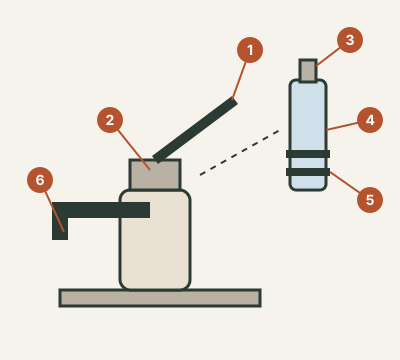
- Handle lever
- Retaining cap or bonnet nut
- Cartridge stem the handle grips
- Cartridge body, which mixes hot and cold
- O-rings, a common cause of drips
- Spout
What is outside our scope
Moving a toilet or sink, adding a new fixture where there was none, or main line clogs are outside our scope. We handle swaps on the existing connections.
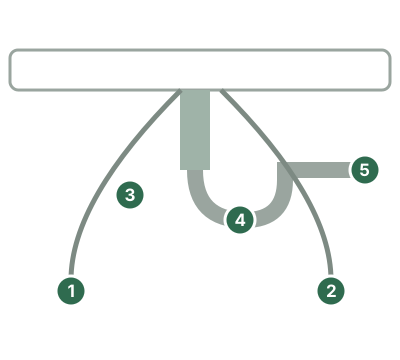
- Hot-water shutoff (angle stop)
- Cold-water shutoff (angle stop)
- Supply lines to the faucet
- P-trap, which holds a water seal
- Drain line into the wall
Kitchen sink extras
Along with the faucet, kitchens often have a soap dispenser, an air gap for the dishwasher, a filtered water faucet or a hot water dispenser. Each takes a hole in the sink or counter. When changing faucets, we plan what goes in each hole and cap any we no longer need with a matching cover. We also check the dishwasher drain connection and the disposal while the cabinet is empty.
Toilet parts we replace
- Flapper and chain.
- Fill valve and refill tube.
- Flush valve and tank-to-bowl gasket.
- Handle and lever arm.
- Seat and hinges.
- Wax ring, closet bolts and supply line.
Flappers are not universal. Toilets with 3-inch flush valves need a 3-inch flapper, and some brands use proprietary seals. A photo inside the tank tells us which.
Bidet seats
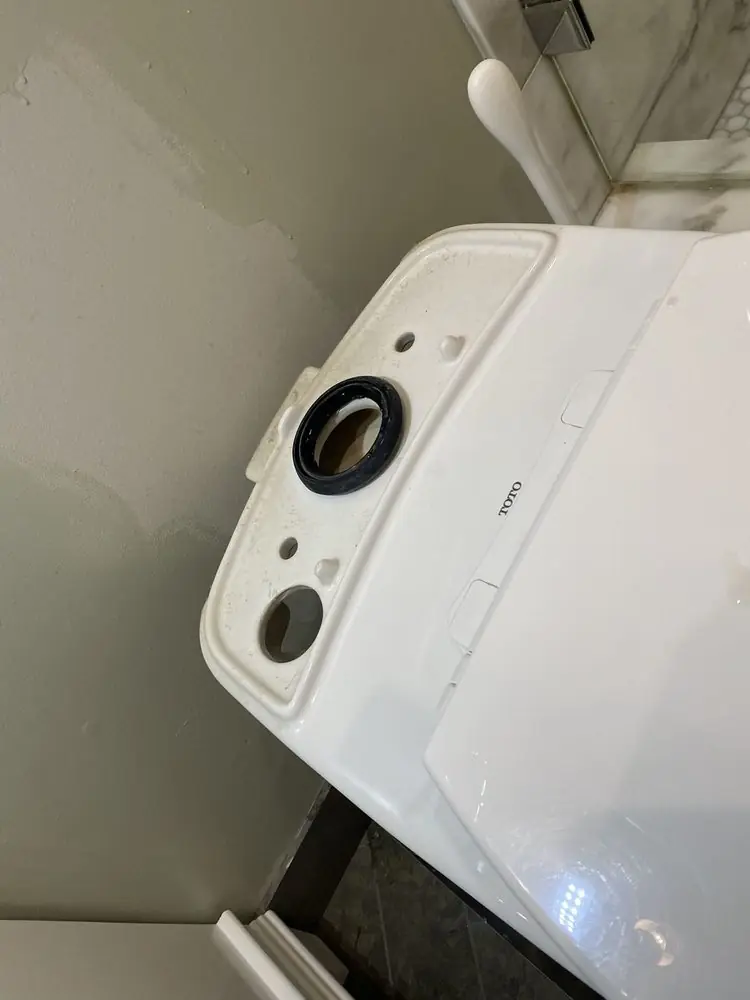
Bidet seats attach to an existing elongated or round toilet with a T-valve on the supply line. Electric models need an outlet near the toilet; plan for that before buying one. Non-electric models need no power.
Laundry and utility sinks
Utility sinks in garages take a beating. We replace faucets, stops, traps and the drain basket, and secure loose legs or wall brackets.
- Shut it offTurn the valve under the fixture clockwise, or the main valve.
- Relieve pressureOpen a faucet nearby so the line drains.
- Contain itTowels and a bucket; unplug anything wet.
- Photo and textSnap the leak and valve, then text us.
Garbage disposals
A disposal that hums but does not spin is often jammed; turning the hex socket underneath with the key that came with it may loosen the jam. If it is silent, press the reset button on the bottom (our InSinkErator troubleshooting page shows where it sits on that brand).
A disposal that leaks from its body has failed internally and needs replacing. We match horsepower to your use, reuse the existing outlet or cord connection, connect the dishwasher drain knockout when needed, and check every joint for leaks under running water.
Before buying a new faucet or toilet
- Only the faucet or toilet
- Add a short list
Measure the toilet rough-in and the space in front; count sink holes and measure their spread; and photograph the cabinet underneath. Bring that to the store, or text it to us and we can suggest what fits.
- Faucets, toilets and valves
- Traps and drain connections
- Water heaters on existing lines
- Disposals and supply lines
- Moving or adding pipe runs
- Sewer and main drain work
- Repiping and new gas lines
- Slab leaks
Related guide: Why a toilet keeps running and how to fix it.
Photo checklist
- The faucet from the front and the handle
- Under the sink: shutoff valves and supply lines
- Inside the toilet tank, showing the fill valve and flapper
- Any model stamp inside the tank or tag on the supply lines
Questions we get
How do I measure toilet rough-in?
Measure from the wall to the center of the floor bolts.
Do you haul away old toilets?
Tell us when you ask for the quote.
Can you install a bidet seat?
Yes, on existing toilets; electric ones need an existing outlet nearby.
- A message before the faucet or toilet visit
- Old parts hauled off
Why does my faucet handle feel loose?
The set screw under the cap has backed out or the cartridge retainer has worn. Tightening or replacing the retainer usually fixes it.
Can you replace a toilet seat?
Yes. We match round or elongated, and replace corroded bolts that will not come off.
Why does my toilet gurgle?
It can be a partial clog or a venting problem. We can clear the toilet; if it keeps gurgling after that, the vent may be blocked.
- Mon–Sat 8:30 AM–7 PM
- Closed Sunday
- Texts usually answered within the hour
Is it worth repairing an old faucet?
If the body is sound and parts exist, yes. If the finish is failing or parts are unavailable, replacing is simpler.
Why does my toilet refill by itself?
Water is leaking from the tank into the bowl, usually past the flapper. A dye test confirms it.
Can you install a faucet I bought?
Yes. Send the model so we can check it fits your sink holes.
- Tenant at home
- A lockbox for the faucet or toilet visit
My toilet rocks. Is that serious?
It can break the wax seal and cause a hidden leak. Tightening or shimming it early prevents that.
Can a cracked toilet tank be repaired?
Cracked porcelain does not patch well, so replacement is usually the practical fix: a matching tank if one is still made, or a new toilet.
Do you need to remove the tank to change a flapper?
Usually not. Most flappers clip onto the overflow tube. Only a worn flush valve seat means taking the tank off.
- Estimates are free
- Changes to the faucet or toilet need your OK
What toilet repair kit do I need?
It depends on the brand and the size of the flush valve. A photo inside the tank tells us which parts to bring.
- The quote lists faucet or toilet parts
- We fit yours too
Get a quote for faucet and toilet repair
Text a photo and your cross street. Free estimates, and most texts are answered within the hour.
Good to fix along with the faucet or toilet
While we work on the faucet or toilet, we can also look at replacing valves that will not close and clogged sinks, drains and P-traps. Problem turns out not to be the faucet or toilet? Read under-sink water filters, disposal swaps under the sink or fixing a dripping shower.
Repairs related to the faucet or toilet
Service area for this job: West Covina, Covina, Baldwin Park, Azusa, Temple City, Sierra Madre, Monrovia, Duarte, Irwindale and Glendora.
Running toilet with a Fluidmaster fill valve or flapper? See Fluidmaster toilet parts for how we match the part.Faucet from a big-box store? Our Pfister and Glacier Bay faucet repair page covers finding cartridges.American Standard toilet with a weak flush? See American Standard toilet repair for the parts it usually needs.