 Szeto Handyman
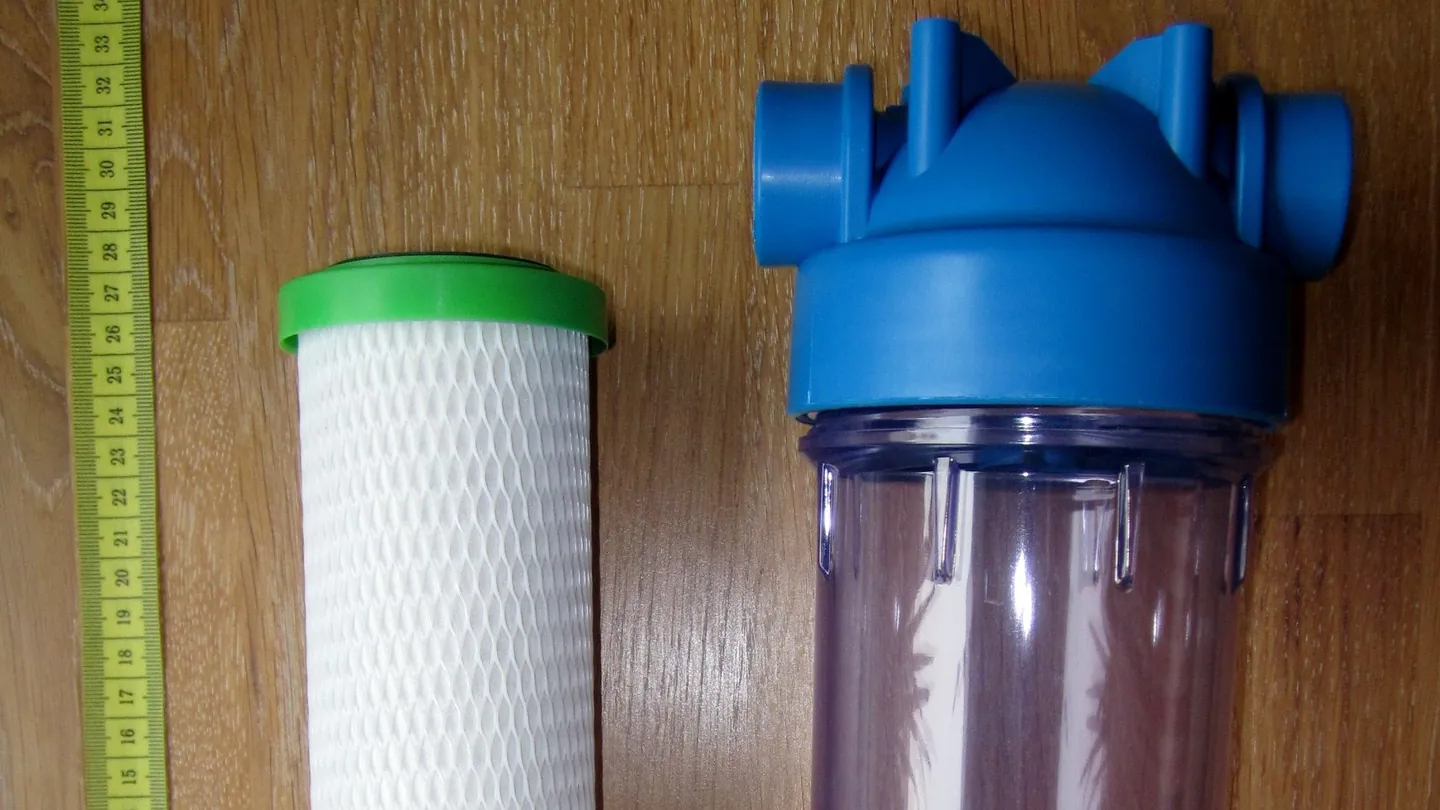
Types of under-sink filters
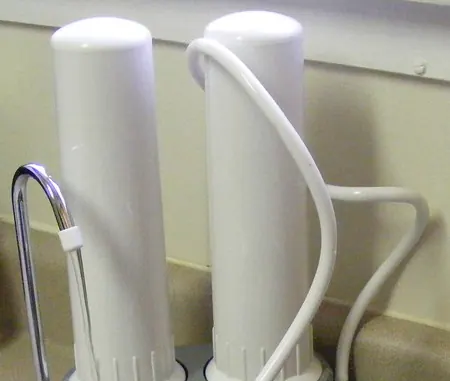
- Inline filters connect to the cold supply and feed the main faucet or a separate faucet.
- Multi-stage filters use two or three cartridges for different contaminants.
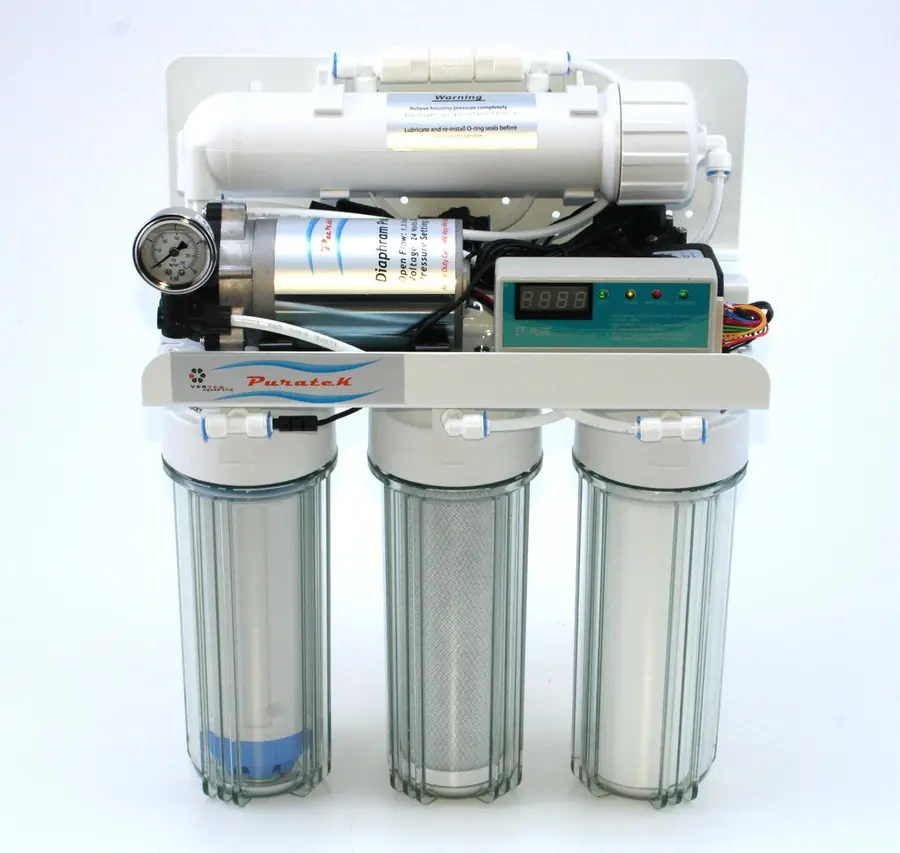
- Reverse osmosis systems push water through a membrane, store filtered water in a tank and send waste water to the drain.
Look for products certified to NSF/ANSI standards for the contaminants you care about, and check the certification listing.
What we install
- Add a tee or adapter on the cold supply with its own shutoff.
- Mount the filter housing to the cabinet wall at a height that leaves room to change cartridges.
- Drill the sink or counter for a dedicated faucet, or use an existing hole such as a sprayer or soap dispenser hole.
- For RO systems, install the drain saddle on the drain line above the trap and place the tank.
- Flush the system as the maker directs and check for leaks.
- Wide shotThe whole fixture and the space around it.
- Close-upLabels, model numbers, the leak or break.
- ConnectionsValves, pipes, wires or brackets.
- Send itText the photos with your cross street.
Drilling for a faucet
Stainless sinks drill easily. Stone counters need a diamond core bit and care. Porcelain or cast iron sinks can chip, so an existing hole is better when possible.
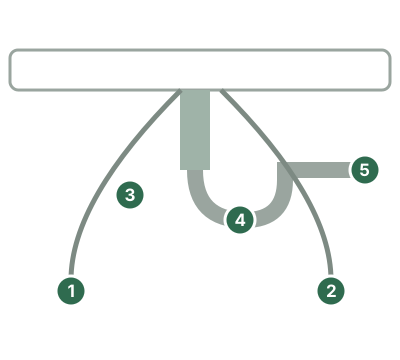
- Hot-water shutoff (angle stop)
- Cold-water shutoff (angle stop)
- Supply lines to the faucet
- P-trap, which holds a water seal
- Drain line into the wall
Space under the sink
Disposals, dishwasher lines and storage compete for space. We plan the layout so cartridges are reachable and nothing blocks the shutoffs.
Maintenance
Change cartridges on the maker's schedule. Old cartridges can grow bacteria and lose effectiveness. Write the change date on the housing.
- Shut it offTurn the valve under the fixture clockwise, or the main valve.
- Relieve pressureOpen a faucet nearby so the line drains.
- Contain itTowels and a bucket; unplug anything wet.
- Photo and textSnap the leak and valve, then text us.
What is outside our scope
Whole-house filtration on the main line and lab testing for specific contaminants are outside our scope.
Picking a system
Start with what you want to address: taste and odor, specific contaminants, or general peace of mind. Your water provider publishes a yearly Consumer Confidence Report describing what is in the water supply, which helps choose. Then check product certification listings to confirm the filter is certified for those items.
- A wide shot
- Close-ups of the water filter
- Closest intersection
Activated carbon filters improve taste and odor. Reverse osmosis removes a wider range but wastes some water and needs a drain connection and space for a tank.
Counter and sink holes
A dedicated filter faucet needs a hole. Many sinks have an unused hole covered by a plate, or a sprayer or soap dispenser that can be swapped. When none exists, we drill stainless sinks or counters with the right bit.
Quartz and granite can be drilled with diamond bits and water cooling. We avoid drilling porcelain sinks when another option exists.
Tying into the fridge
Some homeowners run filtered water to the fridge too. That needs a tee off the filter output and a line to the fridge. If the fridge has its own filter, you may want to bypass one or the other.
- Faucets, toilets and valves
- Traps and drain connections
- Water heaters on existing lines
- Disposals and supply lines
- Moving or adding pipe runs
- Sewer and main drain work
- Repiping and new gas lines
- Slab leaks
Leak protection
Filter housings and RO tanks add connections under the sink. A water sensor on the cabinet floor and a drip tray give early warning. Check connections after cartridge changes, since those disturb the fittings.
What to send
Photos of the sink top, the cabinet underneath and the filter model you plan to use.
Reverse osmosis details
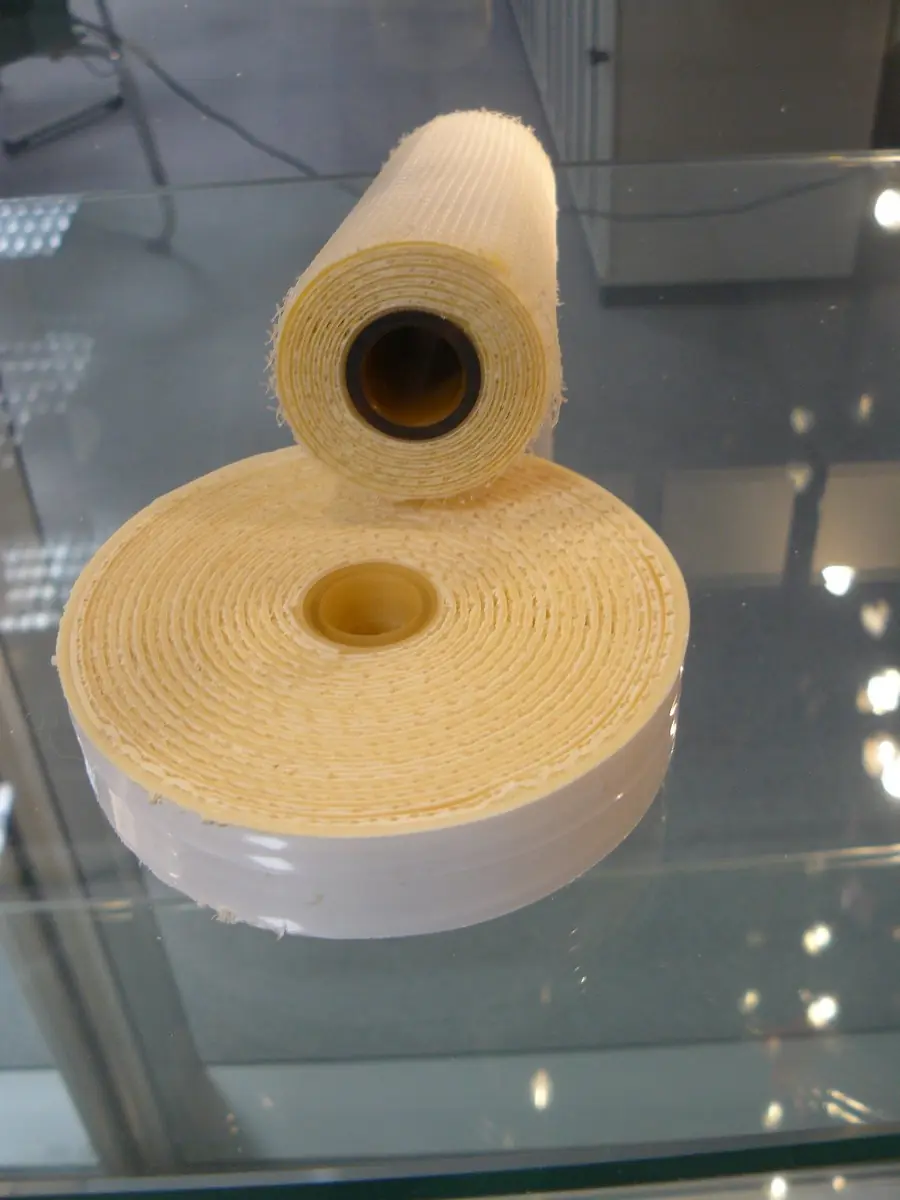
An RO system usually has a sediment prefilter, a carbon prefilter, the membrane, and a carbon polishing filter. Water fills a small pressurized tank and flows to the dedicated faucet. Some water goes to the drain while the system is making water.
- Room under the sink for the unit and tank
- Whether the cold shutoff turns freely
- Space on the sink or counter for a second faucet
- Which contaminants the product is certified for
- Replacement cartridge cost and schedule
- A note of your faucet model, if it will feed the main tap
Tankless RO systems use a pump and need an outlet under the sink, which must already exist. RO water is low in minerals; some systems add a remineralization stage for taste.
- A picture or two
- We quote the water filter
- Checked when done
RO systems need decent incoming pressure. If house pressure is low, the system makes water slowly. A booster pump can help but needs power.
More questions
Can I move a filter when I move out? Yes. We disconnect, cap the tee and patch the faucet hole with a cover.
Will a filter fit with a disposal? Usually, with planning. Compact housings help.
What certifications should I look for? NSF/ANSI standards for the contaminants you care about, as listed in the product's certification.
Water quality information
- Only a water filter
- Or several things
Public water systems publish an annual water quality report, often called a Consumer Confidence Report, listing detected substances and how they compare with standards, and the EPA has a page that explains these reports and how to find yours. Reading your provider's report is the best starting point for choosing a filter, because it tells you what is actually in your water rather than relying on marketing claims. If your home is on a private well, a lab water test is the way to learn what is in it.
Filter makers list the contaminants their products are certified to reduce. Matching that list to your water report helps you choose a filter that does what you need without paying for stages you do not. Keep the certification sheet with your cartridges so the next person who services the system knows what is installed.
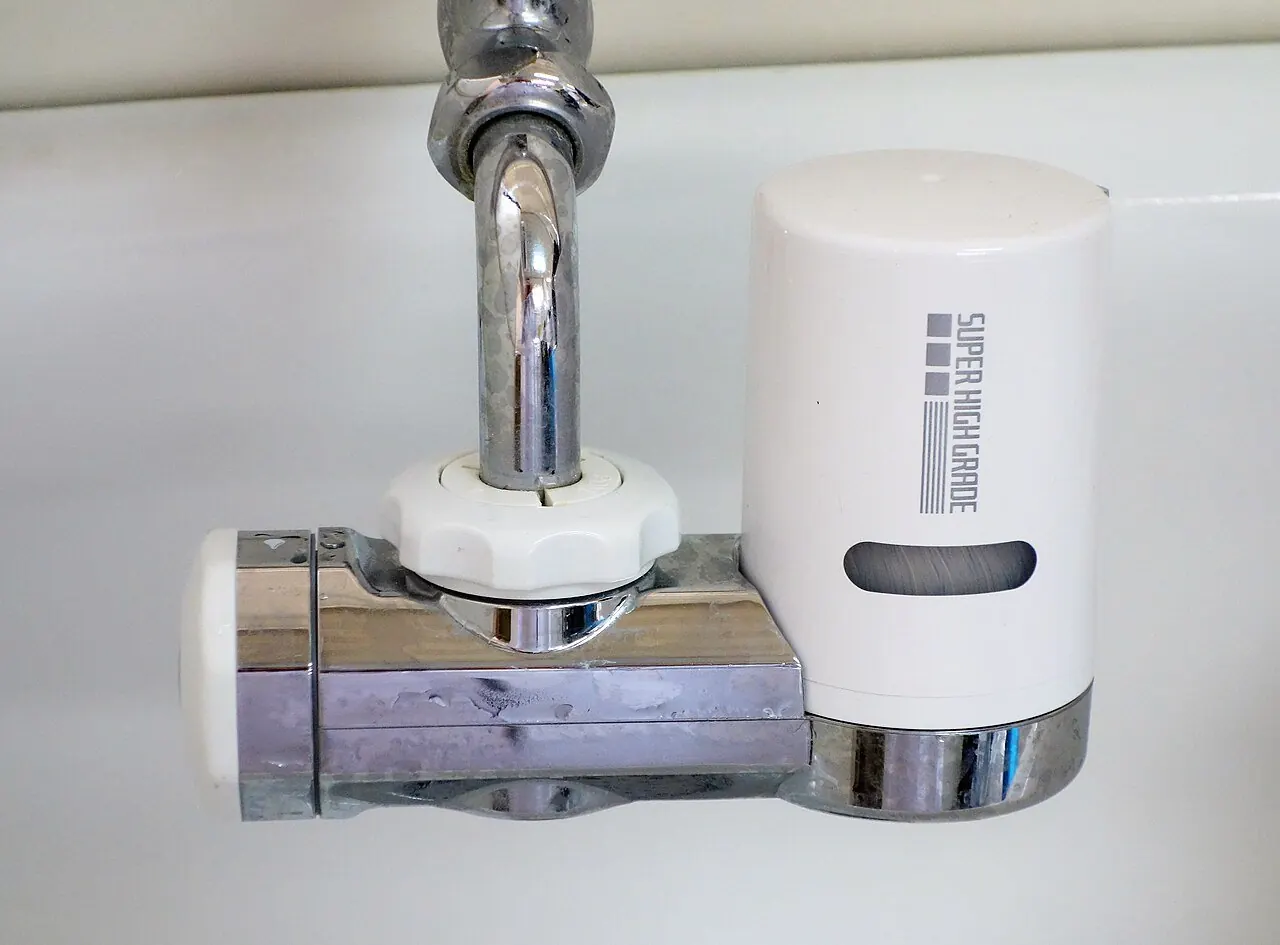
Related guide: How to decide whether to repair or replace a faucet.
Questions we get
Can you install a filter I bought?
Yes, if it fits under the sink with the existing connections.
Will an RO system lower water pressure?
RO faucets flow slower than the main faucet. The storage tank helps.
- A heads-up text before the water filter
- Area protected and swept
Can you connect a filter to my fridge?
Yes, if the fridge line is nearby and the filter allows it.
How often do cartridges need changing?
It depends on the filter and use. Follow the maker's schedule.
Does a filter remove hardness?
Most carbon filters do not. RO reduces hardness at the faucet. For the whole house, a softener is the usual choice.
- Mon–Sat 8:30 AM–7 PM
- Closed Sunday
- Texts usually answered within the hour
Can a filter go in a bathroom?
Yes, under the sink if there is room and a cold supply.
Will you dispose of packaging?
Yes, we leave the area clean.
Do under-sink filters work?
Yes, for what they are rated to remove. Check the certification on the box for chlorine, taste and odor, or other targets.
- Someone home works
- Gate code for the water filter job
Do I need a separate faucet for an under-sink filter?
Many systems use their own small faucet; some connect to the existing faucet line. The kit instructions say which.
How long does an under-sink system last?
The housing lasts many years. Cartridges are the part that wears out, on the schedule the maker lists.
- Free estimate
- We ask before more water filter work
Get a quote for under-sink water filters
Text a photo and your cross street. Free estimates, and most texts are answered within the hour.
Good to fix along with the water filter
Customers who book water filter work often add water softener installation or faucet and toilet swaps. Other pages that help: ice maker, fridge and washer water lines, garbage disposal repair and replacement, dishwasher replacement.
Repairs related to the water filter
Also done in West Covina, Covina, Baldwin Park, Azusa, Temple City, Sierra Madre, Monrovia, Duarte, Irwindale and Glendora.